AI-Assisted Editorial Workflow
How can AI accelerate a time-intensive editing process without replacing human creative judgement?

The Brief
Corgan's MediaLab regularly produced employee profile videos spotlighting interesting people, career paths, and perspectives across the firm. Designed as evergreen brand storytelling, the videos could support social media, recruiting, internal communications, and other channels depending on the story and business need.
For one of these profiles, I directed an interview with a leader in Corgan’s data centers practice, with the goal of creating a personal, engaging story about their work and perspective.
The Challenge
What was planned as a 30 minute interview ran longer than expected, generating more than an hour of footage with numerous retakes, repeated ideas, and fragmented responses. The result was significantly more source material to evaluate than a typical profile interview.
Finding a compelling story within that material would traditionally require a lengthy manual review before editing could really begin.
The Traditional Workflow
Interview → Transcript → Manual Review → Soundbite Selection → Story Assembly → Editor Rough Cut → Creative Review + Editor Refinement
My typical process started with a transcript of the full interview. I would read through it manually, highlight the strongest soundbites, identify recurring themes and story beats, and organize those selections into a narrative for the editor to use in building the first rough cut.
It worked, but on an unusually long and fragmented interview, much of that time would be spent searching, sorting, and assembling material before we could focus on higher-value editorial decisions.
The AI-Assisted Workflow
Interview → AI Transcription + Analysis → Narrative Direction + Prompting → AI Soundbite Selection + Rough Cut → Creative Review + Editor Refinement
For this project, I used Quickture to accelerate the front end of that process. The AI-assisted platform generated the transcript, identified themes and story beats, and allowed me to prompt it with the narrative direction I wanted to explore.
Quickture then surfaced relevant soundbites and assembled them into an initial rough cut. Instead of beginning with pages of transcript and a blank edit, I had a starting structure I could immediately evaluate.
From there, human judgment took over. I reviewed what the tool selected, determined what supported the story and what didn't, identified gaps, adjusted the narrative, and worked with my editor to refine the piece.
Product demonstration by Quickture showing the AI-assisted transcription, story-building, and rough-cut workflow used during this project.
The Outcome + Reflection
The AI-assisted workflow saved meaningful time on a project that was unusually labor-intensive, reducing the repetitive work of searching through fragmented source material and assembling an initial narrative.
The generated cut wasn't a finished solution, nor did I expect it to be. Its value was in getting us to something worth reacting to faster, giving me and my editor more time to focus on pacing, tone, narrative, and the other decisions that benefited from human experience and judgment.
The project continued through additional production and editorial work after I left Corgan and was ultimately delivered.
AI accelerated the assembly. Human judgment shaped the story.
That experience reinforced how I approach AI in creative workflows: use it where it can reduce repetitive production work and accelerate exploration, while keeping context, craft, and final creative decisions in the hands of the people responsible for the work.
Other projects
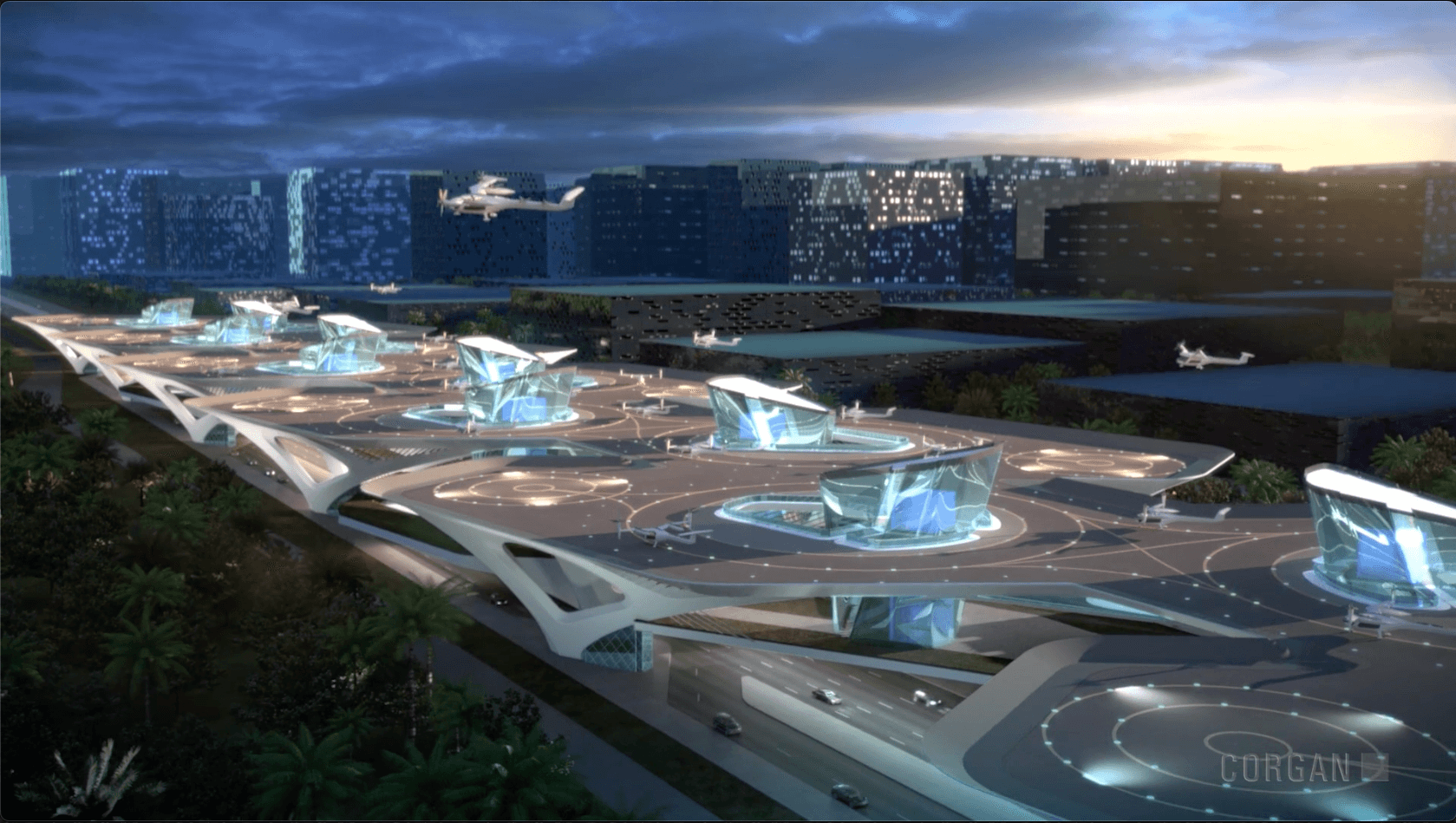
Uber Mega Skyport Concept Design
How do you tell the story of a new building typology in 90 seconds?
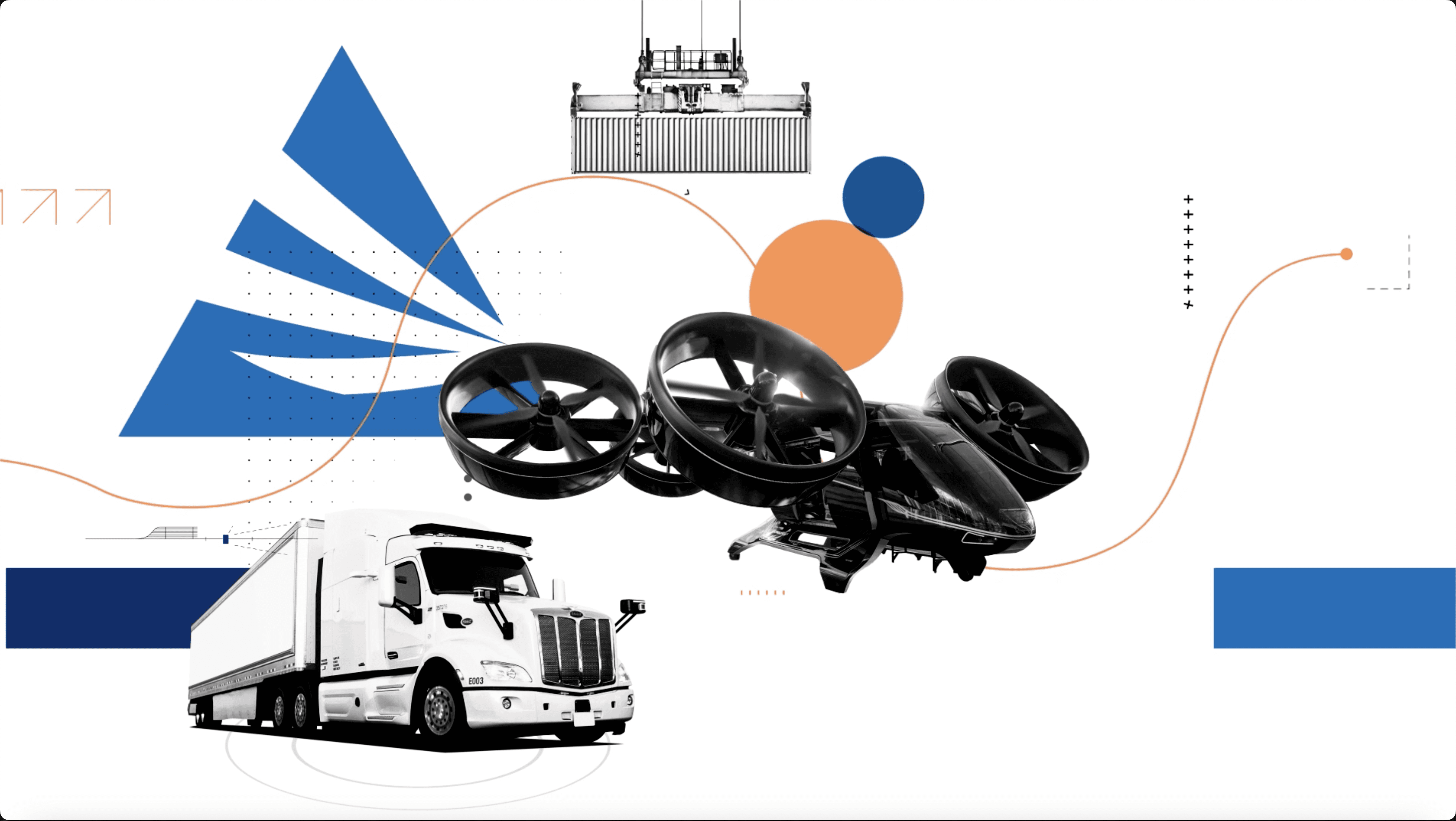
AllianceTexas Mobility Innovation Zone Campaign
How do you create a cohesive story for a mobility system that spans land, air, and emerging technology?

Modern Vintage Valentine’s Giveaway
How do you turn a single retail poster into a complete, international digital campaign?
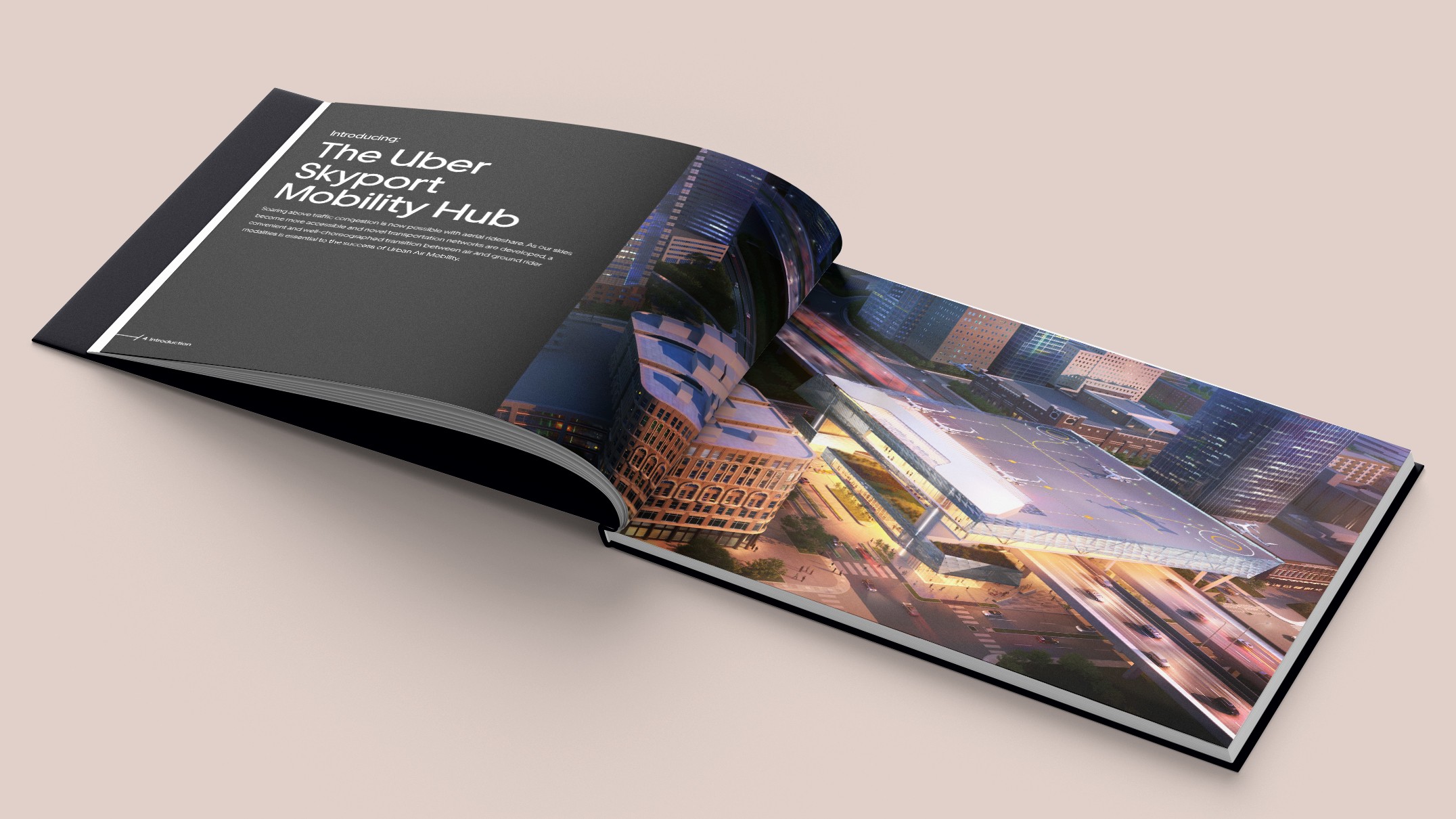
Uber CONNECT | EVOLVED
How do you communicate an entirely new transportation system in a single publication?

Brand Storytelling
How do you turn one idea into an integrated campaign?